
 Filipino
 English
 Español
 Русский
 Português
 Bahasa Indonesia
 اردو
اردو English (NG)
 বাংলা
বাংলা Español (MX)
 Tiếng Việt
 日本語
日本語 한국어
한국어 العربية
 Bahasa Melayu
 English (SG)
 ไทย
ไทย
7113 Iron Round Three-Piece Tin Can para sa Pagkain ng Alagang Hayop | Paggawa at Mga Benepisyo
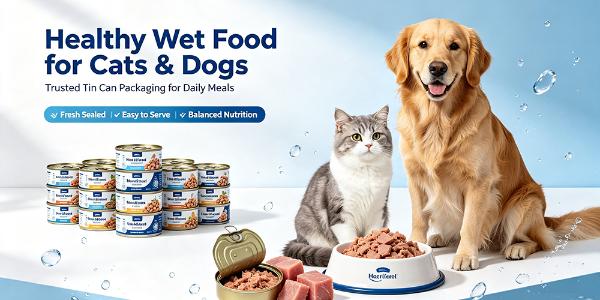
7113 Iron Round Three-Piece Tin Can: Proseso ng Paggawa para sa Packaging ng Pagkain ng Alagang Hayop
Ang mga lata ng pagkain ng alagang hayop ay ang pinaka-karaniwan at ligtas na packaging container para sa basang pagkain ng alagang hayop, kabilang ang de-latang pagkain ng pusa, pagkain ng aso, at meryenda ng alagang hayop. Ang 7113 iron round three-piece tin can ay isang klasikong customized na solusyon sa packaging para sa industriya ng pagkain ng alagang hayop, na may mataas na pagiging airtight, food-grade na kaligtasan, matibay na resistensya sa presyon at mahabang shelf-life. Mahigpit na standardisadong proseso ng paggawa ang ginagamit sa buong produksyon upang matiyak na ang packaging ay nakakatugon sa pandaigdigang pamantayan sa kaligtasan at imbakan ng pagkain ng alagang hayop. Detalyado ng artikulong ito ang kumpletong proseso ng paggawa ng lata ng pagkain ng alagang hayop para sa 7113 three-piece cans.
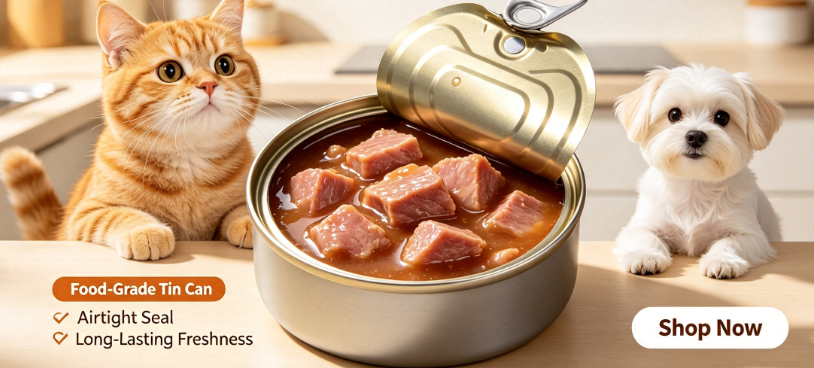
1. Pagpili ng Food-Grade na Hilaw na Materyal
Ang produksyon ng mga lata ng pagkain ng alagang hayop ay mahigpit na pumipili ng mataas na kalidad na food-grade tin plate bilang pangunahing hilaw na materyal, na siyang susi sa pagtiyak ng kaligtasan ng pagkain ng alagang hayop. Naiiba sa mga ordinaryong pang-industriyang iron sheet, ang tin plate na ginagamit para sa 7113 na lata ng pagkain ng alagang hayop ay may pantay na kapal ng tin coating, mahusay na resistensya sa corrosion at non-toxic na mga katangian. Halos 70% ng high-grade tin plate sa buong mundo ay ginagamit sa metal packaging ng pagkain at pagkain ng alagang hayop, na epektibong naghihiwalay ng grease, moisture at acidic na sangkap sa basang pagkain ng alagang hayop upang maiwasan ang mga reaksyong kemikal sa pagitan ng metal at nilalaman. Samantala, ang mga kwalipikadong aluminum auxiliary materials ay itinutugma para sa produksyon ng can end upang matiyak ang pangkalahatang katatagan ng istruktura ng three-piece cans.
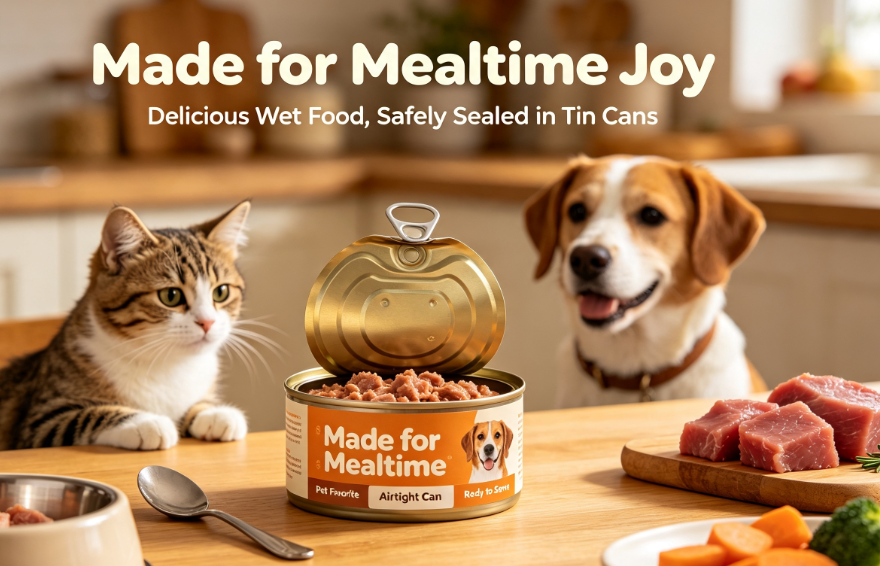
2. Panloob at Panlabas na Protektibong Coating & Pagpapatuyo
Ang anti-corrosion at food-safe na coating treatment ay isang mahalagang proseso para sa mga lata ng pagkain ng alagang hayop. Ang propesyonal na non-toxic food-grade coating ay pantay na ini-spray sa panloob at panlabas na ibabaw ng pinutol na tin plate. Ang panloob na coating ay epektibong pumipigil sa metal oxidation at tin dissolution, ganap na iniiwasan ang kontaminasyon ng pagkain ng alagang hayop, habang ang panlabas na coating ay may papel sa anti-rust, wear resistance at pagpapaganda ng hitsura para sa pag-print ng impormasyon ng brand.
Pagkatapos ng pag-spray, ang mga metal sheet ay ipinapadala sa isang constant-temperature drying oven para sa curing treatment. Ang mahigpit na kontrol sa temperatura at oras ay nagsisiguro na ang coating ay matibay na nakakabit nang walang pagbabalat, pagbulusok o kakaibang amoy, na tumutugon sa mga internasyonal na spesipikasyon sa kaligtasan ng packaging ng pagkain ng alagang hayop.
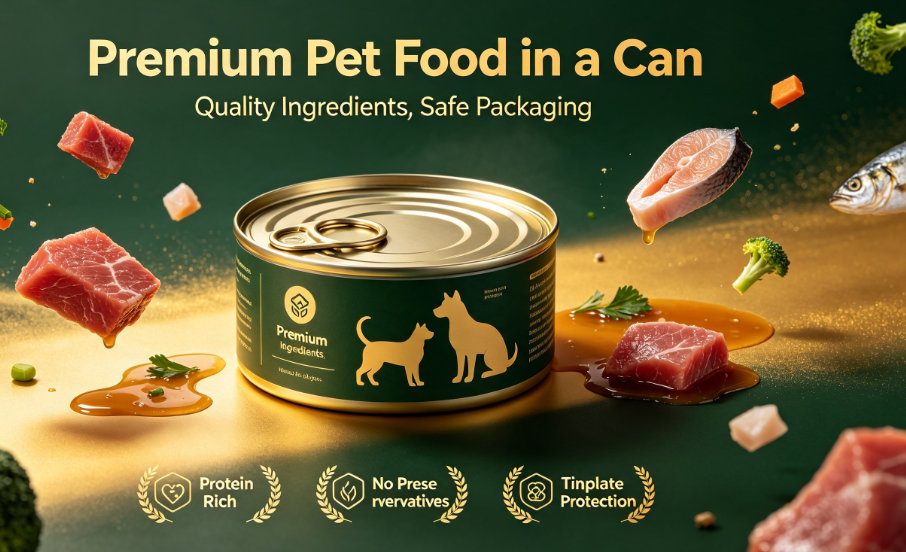
3. Tumpak na Pagputol ng Sheet at Paghubog ng Can Body
Pagkatapos ng pagpapatuyo at paggawa, ang mga coated metal plate ay tumpak na pinutol sa mga karaniwang sukat na tumutugma sa 7113 can model sa pamamagitan ng propesyonal na shearing equipment. Ang mga standardisadong sheet blank ay nagsisiguro ng pantay na spesipikasyon at katumpakan ng pagpupulong ng mga tapos na lata.
Kasunod nito, ang mga sheet blank ay ini-roll at hinihinang sa tubular na can body. Bilang isang tipikal na three-piece can structure, ang 7113 pet food can ay gumagamit ng longitudinal seam welding technology upang makabuo ng walang tahi at matibay na istruktura ng can body. Ang hinihinang cylindrical na can body ay tinatawag na can blank. Ang proseso ng paghubog na ito ay epektibong umiiwas sa pag-crack at pagtagas, na nagsisiguro ng struktural na tibay ng can body sa panahon ng high-temperature sterilization at pangmatagalang imbakan.
4. Pag-inspeksyon ng Can Body, Pag-print at Pag-customize
Lahat ng naformang blangko ng lata ay sumasailalim sa mahigpit na inspeksyon ng kalidad upang masala ang mga depektibong produkto na may mga puwang sa welding, deformation o pinsala sa coating. Ang mga kuwalipikadong katawan ng lata ay sumusuporta sa customized na offset printing, na maaaring mag-print ng mga logo ng brand ng pagkain ng alagang hayop, mga parameter ng produkto, impormasyon ng sangkap at mga petsa ng produksyon sa panlabas na ibabaw upang matugunan ang isa-isang pangangailangan sa pag-customize ng iba't ibang brand ng pagkain ng alagang hayop.
5. Paglalagay ng Pagkain ng Alagang Hayop at Airtight na Crimp Sealing
Ang nasuri at kuwalipikadong 7113 three-piece tin cans ay pumapasok sa automated filling workshop para sa paglalagay ng basang pagkain ng alagang hayop. Pagkatapos ng tumpak na quantitative filling ng pagkain ng alagang hayop, ang mga lata ay selyadong ng mga propesyonal na multi-station can sealing machine. Ginagamit ang double crimping airtight sealing technology upang makamit ang ganap na paghihiwalay ng panloob na pagkain ng alagang hayop at panlabas na hangin, alikabok at bakterya.
Ang multi-station sealing equipment ay sumusuporta sa high-efficiency mass production, na may stable na sealing pressure at pantay na crimping gaps, epektibong pumipigil sa pagtagas ng hangin, pagtagas ng likido at pagtubo ng amag ng pagkain ng alagang hayop habang iniimbak at dinadala.
6. Sterilisasyon sa Mataas na Temperatura at Paggamot na Antiseptiko
Naiiba sa mga ordinaryong packaging can, ang mga tin can ng pagkain ng alagang hayop ay nangangailangan ng mahigpit na proseso ng sterilisasyon upang makamit ang pangmatagalang pag-iimbak. Ang lahat ng selyadong tapos na lata ay dinadala sa industrial autoclaves para sa high-temperature sterilization o pasteurization treatment. Ang prosesong ito ay lubusang pumapatay sa mapaminsalang bakterya, mikroorganismo at spores sa loob ng mga lata, pumipigil sa pagkasira at pagkasira ng pagkain.
Pagkatapos ng sterilisasyon at natural na paglamig, ang mga lata ng pagkain ng alagang hayop ay nakakamit ang pangmatagalang imbakan sa temperatura ng silid nang walang preservatives, na siyang pangunahing bentahe ng canned pet food packaging.
7. Huling Inspeksyon ng Kalidad at Packaging ng Tapos na Produkto
Pagkatapos ng sterilisasyon, ang lahat ng produkto ay sumasailalim sa huling buong inspeksyon, kabilang ang pagsubok ng airtightness, inspeksyon ng hitsura, pag-detect ng deformation at pag-detect ng pagtagas. Ang mga kuwalipikadong 7113 pet food tin cans ay pinagbubukod-bukod at binabalot nang batch, at pagkatapos ay iniimbak sa tuyo at walang alikabok na bodega, handa para sa transportasyon at pagbebenta sa merkado.
Konklusyon
Ang proseso ng paggawa ng 7113 iron round three-piece tin cans para sa pagkain ng alagang hayop ay sumasaklaw sa pagpili ng food-grade raw material, coating curing, precision forming, customized printing, airtight sealing, high-temperature sterilization at mahigpit na inspeksyon ng kalidad. Ang bawat yugto ng produksyon ay sumusunod sa mga pamantayan ng kaligtasan ng pagkain, na lumilikha ng ligtas, matibay at pangmatagalang imbakan na metal packaging para sa basang pagkain ng alagang hayop. Dahil sa maaasahang sealing performance at stable na kalidad, ang 7113 three-piece pet food tin cans ay naging ginustong packaging solution para sa mga pangunahing pet food brand sa buong mundo.